India has just emerged from its grand festive marathon — a season where lights, logistics, and limitless consumer enthusiasm move in perfect synchrony. From Onam to Diwali, supply chains across industries — from e-commerce to consumer durables — all were running at full throttle, balancing joy and just-in-time with equal precision.
Yet, even as the pause in the rush gave some breather to the conveyor belts, the next wave — Christmas, New Year, and end-of-season sales — is already queuing up at the dock.

The truth every operations leader knows too well: India’s festive logistics calendar is no longer a sprint. It’s a relay. Each season hands over the baton to the next, testing every ounce of agility, foresight, and resilience in our networks.
So how do we build systems which are agile, adaptive & surge-proof?
The “Easter Sunday” Syndrome: Overbuilding for Peaks
“You don’t build a church for Easter Sunday.”
The statement holds true for every supply-chain leader facing seasonal surges. Every festive season, the temptation is the same — hire excessively, rent extra capacity, or overstock inventories to meet short-lived surges – only to let it sit idle later.

The smarter approach lies in flexible scalability — elastic capacity that grows when needed and contracts efficiently afterward. Don’t overbuild for one weekend of glory — design systems agile enough to expand, contract, and adapt, all year long.
Manpower readiness plays a pivotal role here. Instead of permanent hires, opt for:
- Seasonal or gig workers trained in advance
- On-demand collaboration models
- Cross-skilling programs for rapid redeployment
- Deploy modular automation systems (AMRs, AS/RS) that can scale up or down without changing layout.
Collaboration Is the New Capacity
No single logistics player can shoulder the festive load alone.
Collaboration — not competition — is the new differentiator.
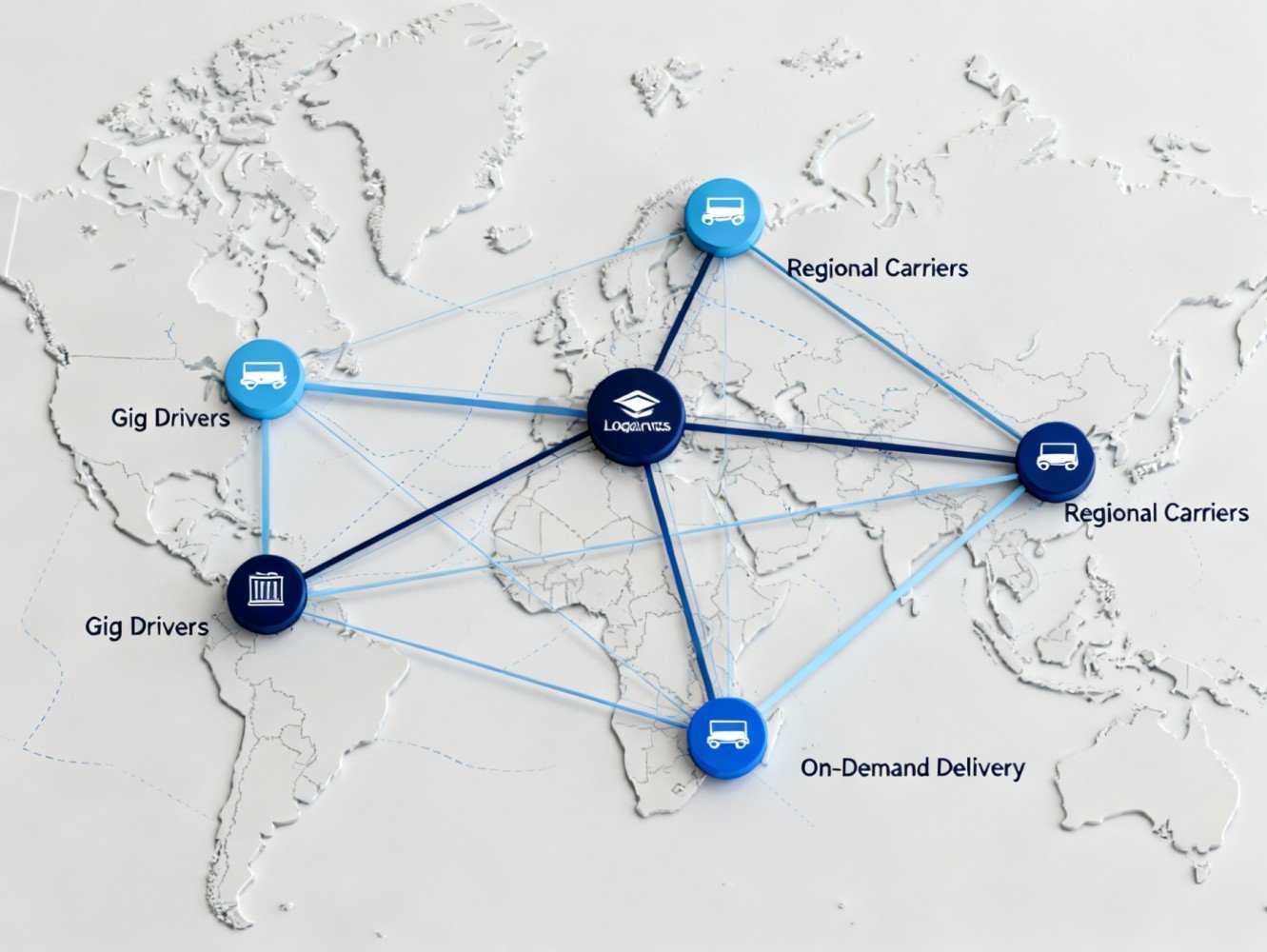
While going through a news piece, I realized that during previous peak seasons, global giants like UPS overcame bottlenecks by partnering with regional courier networks, ensuring last-mile delivery through local expertise. Many Indian logistics leaders are also doing the same: forming alliances with quick-commerce players, gig delivery startups, and alternative channel partners.
Keep Suppliers in the Loop
Your suppliers shouldn’t hear about the festive rush at the last minute.
- Share forecasts 2–3 months in advance
- Lock in production slots early
- Keep backup options for raw materials
This approach doesn’t just increase throughput — it builds resilience. I’m reminded of my time in military here…
“When everyone owns a part of the load, nobody breaks down under pressure.”
Demand Shaping: Giving Consumers a Choice That Shapes the Load
In festive logistics, choice equals control. By offering customers multi-speed delivery options — same-day, next-day, scheduled pickup — companies can actively shape demand and smooth out delivery peaks.
For example, by adding a small incremental shipping charge, can make shoppers self-select based on urgency, naturally spreading the load.
Moreover, AI-driven personalisation engines are easing “choice overload” by narrowing product recommendations — helping both the customer and the supply chain breathe easier.
Predictive Forecasting: From Guesswork to Granular Precision
AI and predictive analytics are turning festive logistics from a hopeful gamble into a precision science.
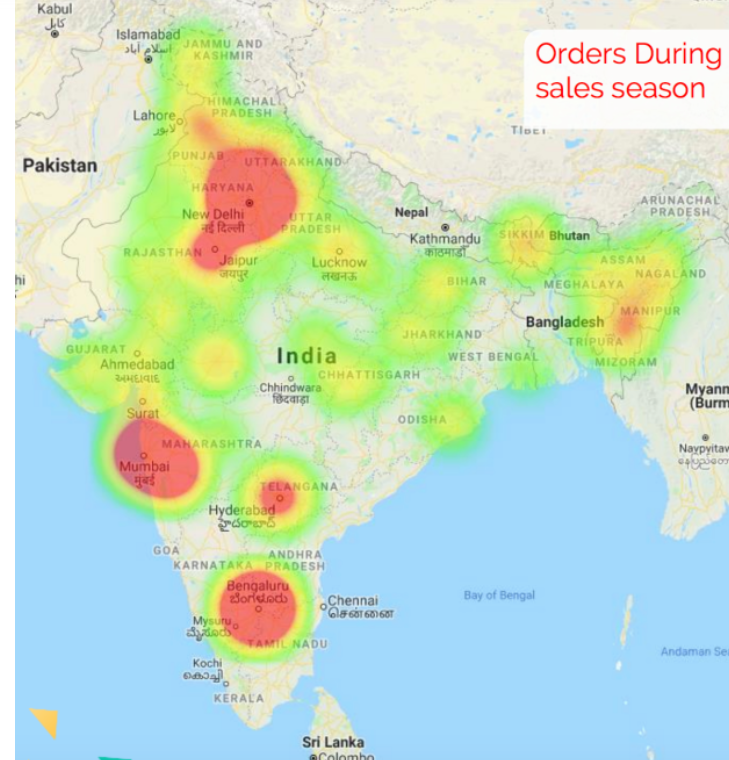
With data points available today, retailers today can forecast at the pin-code level, using real-time data, IoT feeds, and social sentiment to anticipate spikes before they happen. This can help pre-stock warehouses and re-route fleets accordingly — often reducing delivery delays by up to 65% through improved route optimization and enhancing inventory management by 62% (source: Nucamp & TrekGlobal).
Digital Twins: Stress Testing for the Unknown
But how does one prepare for the unpredictable?
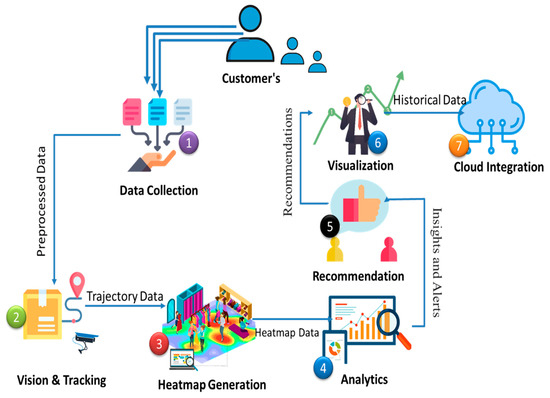
Enter the Digital Twin — a virtual replica of your entire supply chain.
By simulating disruptions (say, port congestion or supplier bottlenecks), companies can identify vulnerabilities and test preemptive solutions.
“Digital twins are now the crystal balls of logistics — they don’t predict the future, they prepare you for it.”
Implementing digital twins is a long term solution to add resilience and realism in supply-demand chain.
Sustainability Amid Celebration
Festive logistics doesn’t have to be wasteful. Order consolidation, efficient routing, and optimized packaging are helping reduce both carbon footprint and last-mile waste.
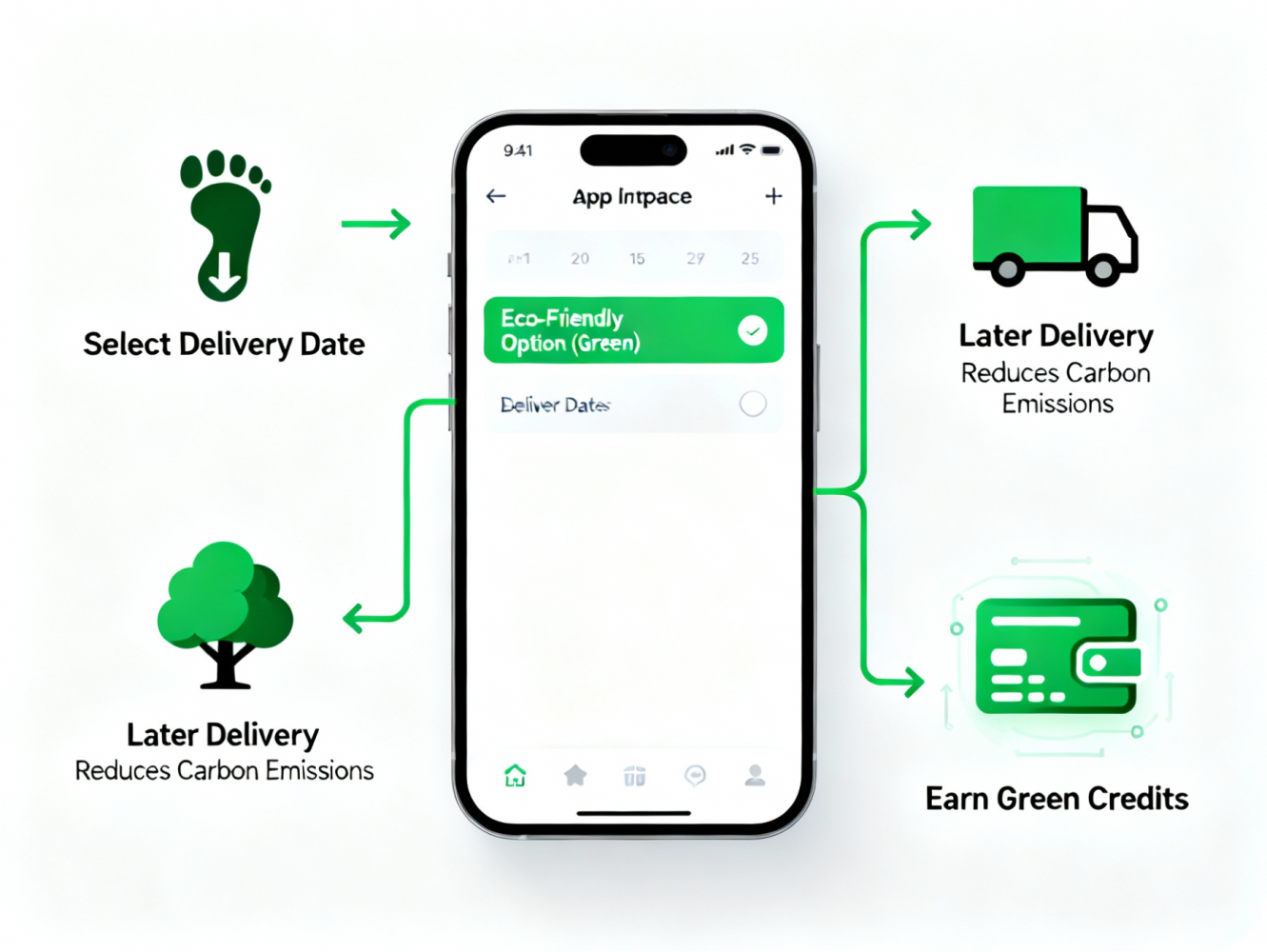
When customers select delivery dates, they rarely see the hidden environmental impact behind their choice — expedited shipments often require fragmented loads, priority routing, or additional vehicles, leading to higher carbon emissions.
By making sustainability visible at the moment of checkout, organizations can empower customers to choose greener alternatives. For example:
- Highlighting how a flexible or later delivery date allows for route optimization and fewer vehicles
- Displaying the carbon footprint difference (e.g., “Choosing Friday saves 1.2 kg CO₂”)
- Offering Green Credits for choosing eco-friendly delivery options
These Green Credits become more than just rewards — they encourage a positive loop of behavior change and longer-term customer engagement:
- Customers feel good about making a climate-friendly choice
- Savings translate into redeemable credits for future purchases
- Brands build loyalty through a shared sustainability mission
Example: A simple UX enhancement at checkout can transform last-mile delivery from a high-emission bottleneck into an active channel for sustainability — led by informed and rewarded customers.
External Impacts and Evolving Realities
This year brought some unique challenges:
- GST reductions on select goods changed demand curves.
- A shorter festive window compressed order volumes into tighter cycles.
- Macro volatility and freight rate fluctuations reshaped how supply chains balanced capacity and cost.
The result? Companies that had real-time dashboards and predictive controls stayed ahead — while others scrambled to catch up.
Solution: don’t base models on only previous year data. Actively look out for signals which may have an impact on your sales & demand.
Track What Really Matters
Keep your eye on these metrics:
- On-time delivery rate → 95%+
- Order accuracy → 99%+
- Damage rate → Under 1%
- Cost per order
- Customer satisfaction
Building Supply Chains That Celebrate All Year Round
Festive peaks will always test logistics systems. But the winners will be those who convert temporary surges into lasting improvements — refining operations, workforce agility, and customer trust.
Whether it’s AI-driven demand sensing, robotic automation, or collaborative partnerships, the mantra remains:
“Don’t build for the peak — build for adaptability.”
Festive logistics, when done right, is not just about handling the rush. It’s about ensuring every customer — urban or rural, luxury or budget — feels the joy of reliability.
Because in the end, the real celebration is not just in what we deliver, but how seamlessly we do it.
This article is authored by Dhruv Raj Sirohi, a senior supply chain leader with more than two decades of experience. Follow him on Linkedin.