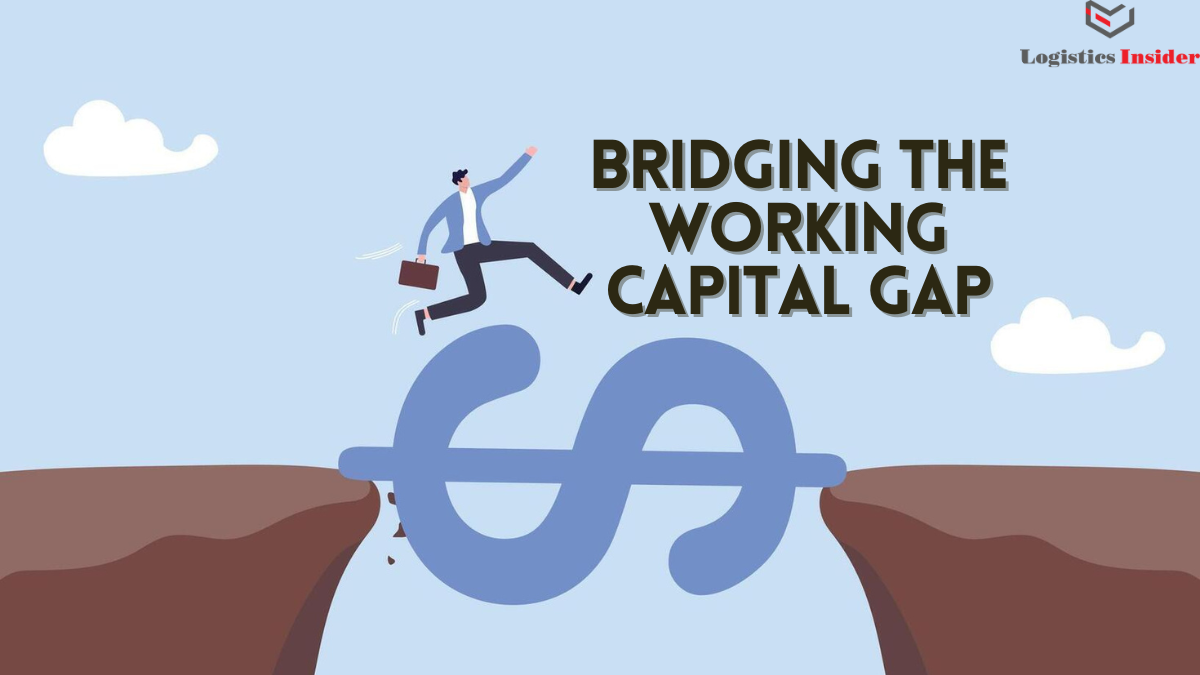
In today’s global economy, micro, small and medium-sized enterprises (SMEs) play an important role in economic growth and international trade. However, these businesses often face significant challenges in managing their working capital, which could prevent them from competing effectively in the global market. As per a 2023 World Bank report, almost all SMEs accounted for 90% of jobs and more than 50% of employment worldwide. Despite its importance, the International Monetary Fund estimates that 40% of the 65 million enterprises or formal micro, small, and medium enterprises (MSMEs) in developing countries have unmet financial needs, amounting to $5.2 billion annually. This article examines the new methods that emerge to manage this operational capital, focusing on technology-driven solutions that generate rapid capital returns and increase supply chain visibility.
Rapid access to working capital
Technology-based supply chain finance platforms have revolutionized how SME exporters manage their finances. These platforms offer several innovative features that have transformed the industry, including rapid access to cash, quick online onboarding processes, and various other services. SME exporters can sell their accounts receivable at a discount to receive immediate cash flow when they leverage such features coupled with the Accounts Receivable Purchase (ARP) facility. They also enable exporters to gain early access to payments, thereby improving their working capital. The combination of these efficient, accessible financial solutions has significantly impacted how SMEs handle their finances in the export sector.

For instance, exporters do not have to wait for months for payment from foreign buyers who frequently have credit lines going up to 30, 60 or even 90 days. By accessing the necessary funds in a shorter period of time, exporters can allocate resources to take new orders, reinvest in their operations, and seize growth prospects without being subject to cash flow restrictions of slow-moving cash. The availability of operational funds depends on how long one wants to continue working or enlarging his organization. This quick access to working capital is essential for the continuous running of a business as well as its growth.
Risk mitigation
International trade is fraught with risks like payment default, exchange rate fluctuations and political uncertainty. The supply chain finance solutions help to deal with these by offering finance alternatives that ensure smooth operations of the supply chain. It is through linking up with financial services providers from the supply chain sector that SME exporters are able to have access to instruments such as credit insurance and letters of credit that shield them from non-payment by international buyers.
These risk mitigation tools not only help manage risks but also make exporters look more credible and trustworthy in other peoples’ eyes worldwide. Furthermore, supply chain finance institutions are better positioned vis-a-vis these financial platforms, which help them operate over broad networks and maintain various accounts that can enable exporters to eliminate dangers associated with doing business across borders.

Supply chain visibility
In addition to financing, leading supply chain finance platforms offer beneficial industry-specific insights into the dynamics of the supply chain and exposure to international buyers’ risks. By utilizing data analytics and machine learning algorithms, these platforms offer detailed vertical industry perspectives that support enhanced supply chain transparency for SME exporters. This visibility is crucial because it helps people identify possible future risks and make informed decisions beforehand.
With improved visibility into their supply chains, it will be easier for small-scale business ventures dealing with exports to choose corresponding strategies that ensure possible global uncertainties are in check. For example, organizations may identify and target new markets to reduce dependence on specific clients or geographic areas. Conversely, they may diversify their supplier base to reduce sourcing risks during times of scarcity and ensure business continuity. Moreover, using immediate statistics can help them modify their current activities swiftly. Prospective perceiving coupled with rapid reactions to potential risks minimizes vulnerability and thus allows for continued quick recovery in an ever-changing global trade environment.
The role of technology
The use of information technology in supply chain finance will be a big revolution for SME exporters. Enabling the integration of advanced technologies like artificial intelligence (AI), blockchain technology, and IoT (Internet of Things) in supply chain finance systems will promote transparency and effectiveness in those systems, thus making them very secure environments, too. One example includes blockchain, which acts as an immutable record book to lower fraud levels, hence making trading partners trust each other.
Artificial intelligence and machine learning algorithms analyze vast amounts of data to predict trends, assess risks, and optimize supply chain operations. IoT devices provide real-time tracking and monitoring of goods in transit, ensuring that exporters have complete visibility over their shipments. These technological advancements empower SME exporters to manage their supply chains more effectively, reduce costs, and improve their overall competitiveness in the global market.
Final words
Bridging the working capital gap for SME exporters is essential for their growth and success in international trade. Technology-based supply chain finance platforms offer innovative solutions that provide rapid access to working capital, mitigate risks, and enhance supply chain visibility. SME exporters can overcome financial constraints by leveraging these platforms, protecting their interests, and adapting to the dynamic global trade environment.
Looking ahead, the continuous evolution of technology will further transform supply chain finance, making it more accessible, efficient, and secure. SME exporters that embrace these innovations will be well-positioned to thrive in the global marketplace, driving economic growth and fostering sustainable development. The future of international trade lies in the seamless integration of finance and technology, and SME exporters must be at the forefront of this transformation to unlock their full potential.
This article has been authored by Alvin Ho, President, Air8 – a trade financing platform for small and medium enterprise (SME) suppliers. All views are personal and do not necessarily reflect those of Logistics Insider.