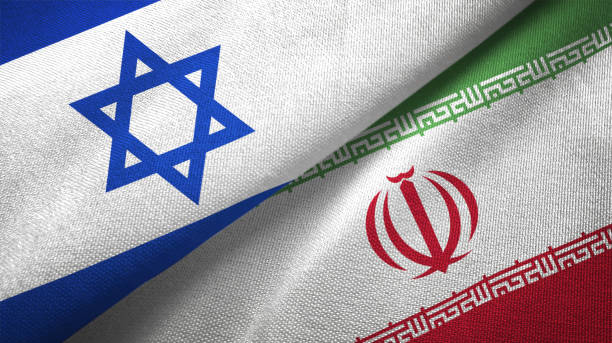
Escalating tensions between Iran and Israel are poised to disrupt India’s export sector, with exporters bracing for a sharp rise in freight rates and logistical challenges, according to industry experts. The conflict, which risks closing key shipping routes like the Red Sea and the Strait of Hormuz, could inflate shipping costs and delay deliveries, compounding pressures on India’s trade amid global uncertainties.
The ongoing conflict has already strained global trade routes, with cargo ships rerouting to avoid the volatile Red Sea and Suez Canal, a critical artery for 12% of global trade. “The ships will again avoid the Red Sea and Suez Canal, which will lead to escalation of freight costs that will have to be borne by the trade,” said Ajay Sahai, Director General of the Federation of Indian Export Organisations (FIEO), as reported by The Financial Express. This rerouting around the Cape of Good Hope adds weeks to transit times and significantly hikes fuel and insurance costs.

Exporters are particularly concerned about the potential closure of the Strait of Hormuz, through which 20% of global crude oil flows. A disruption here could trigger a 50% surge in freight rates, warned the Global Trade Research Initiative (GTRI) in a recent analysis cited by The Economic Times. Such a spike would hit India’s low-margin, high-volume exports like textiles, rice, and engineering goods the hardest, threatening competitiveness in key markets like Europe and the US.
The conflict’s ripple effects could further erode these figures, with prolonged disruptions likely to inflate consumer prices globally by 0.6% in 2025, as projected by the United Nations Conference on Trade and Development. The current escalation underscores the need for contingency measures to protect exporters, such as diversifying shipping routes or negotiating lower insurance premiums.
Industry leaders are urging government intervention. “The commerce ministry must expedite export promotion schemes and provide relief to exporters facing these unprecedented costs,” said a GTRI spokesperson. Meanwhile, exporters are exploring alternatives like air freight, though this option could further strain on air cargo rates, already under pressure from Middle East disruptions.

As the situation unfolds, India’s export sector faces a critical challenge: navigating a geopolitically fraught landscape while maintaining competitiveness. With freight rates on the rise and trade routes in jeopardy, the government and industry must act swiftly to mitigate the economic fallout.