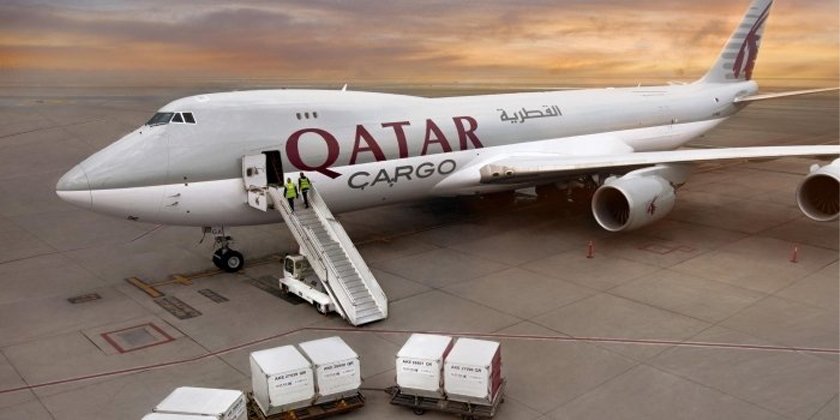
Qatar Airways Cargo is eyeing a stronger foothold in the Indian market, which already accounts for nearly 10 per cent of its global revenue. The airline anticipates a 9-12 per cent revenue boost in the next fiscal year, driven by increasing demand for perishables, pharmaceuticals, and high-value cargo. However, expansion plans face hurdles due to restrictive bilateral agreements limiting passenger belly cargo and potential US tariffs on Indian pharmaceutical exports.
Currently, Qatar Airways Cargo moves approximately 2,700 tonnes of freight weekly to and from India, operating nearly 100 dedicated freighter and passenger flights with belly cargo capacity. Recent network restructuring in August and September has increased cargo capacity in India by 20 per cent, according to Mark Drusch, Chief Officer Cargo at Qatar Airways. However, the airline’s growth ambitions remain constrained by India’s air service agreements, which restrict the expansion of passenger operations and, in turn, the availability of additional belly cargo space.

Pharmaceuticals account for 15 per cent of Qatar Airways’ cargo volume in India, while perishables, including fresh fruits and vegetables, make up 70 per cent. The sector could face disruptions if the US proceeds with its proposed 25 per cent tariff on pharmaceutical imports, which aims to boost domestic manufacturing. Given that nearly half of all generic medicines consumed in the US originate from India, such a move could impact trade flows.
While India remains a crucial market for Qatar Airways Cargo, regulatory challenges continue to shape its operational strategies. The airline remains committed to optimizing its network and leveraging freighter capacity to navigate these constraints while capitalizing on the growing demand for cargo transport.