In an unprecedented global outage, Microsoft experienced significant disruptions across its cloud services, causing widespread repercussions in various sectors, including major disruptions to air travel. These errors, also referred to as black screen errors or STOP code errors, occur when a critical problem forces Windows to shut down or restart unexpectedly. This outage, beginning around 6 pm EST (3:30 AM IST) on Thursday, had a ripple effect on airlines, airports, and air cargo operations worldwide, leading to operational challenges and delays.
IT security firm Crowdstrike says it has identified the issue, isolated it, and deployed a fix. However Crowdstrike’s CEO, George Kurtz, issued a statement saying, “Crowdstrike is actively working with customers impacted by a defect found in a single content update for Windows hosts. Mac and Linux hosts are not impacted. This is not a security incident or cyberattack. The issue has been identified, isolated and a fix has been deployed.”

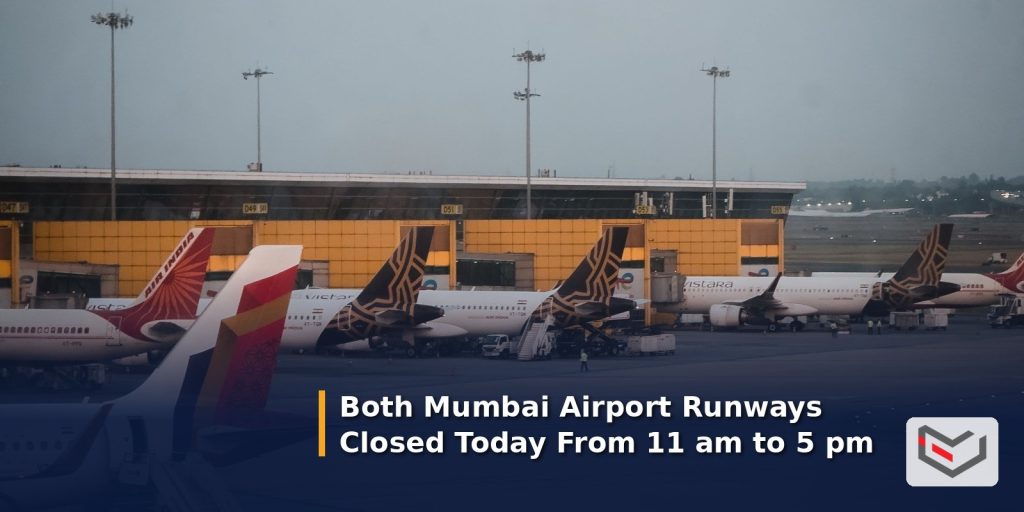
Several major airlines, particularly in India and the United States, reported significant operational disruptions due to the outage. Indian airlines such as Akasa, IndiGo, Air India, Vistara, and SpiceJet faced challenges that impacted their schedules and services. Similarly, U.S. low-cost carriers, including Frontier Airlines, Allegiant, and Sun Country Airlines, also experienced issues affecting their operations.
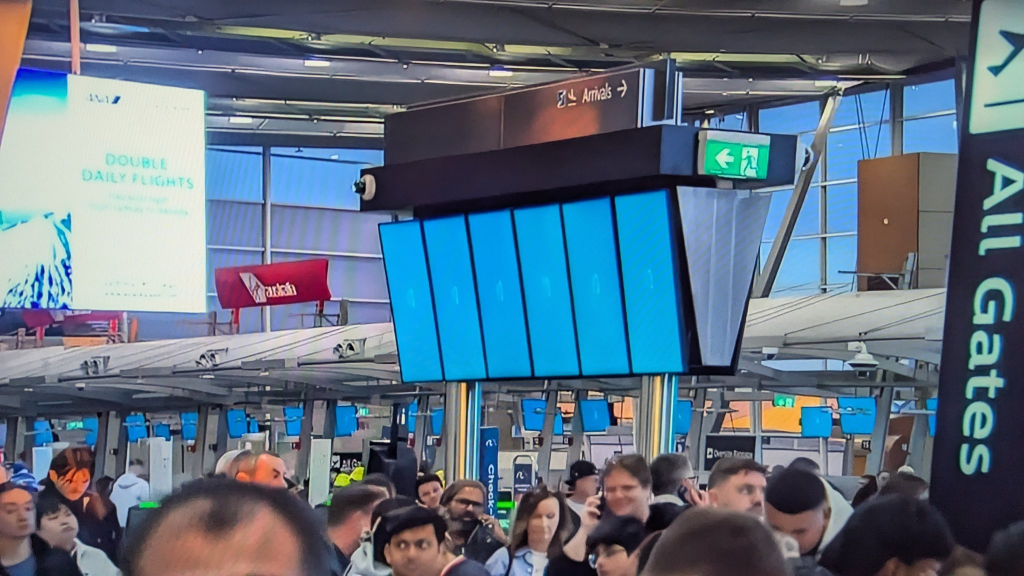
Delhi Airport, one of India’s busiest hubs, was notably affected. A statement from the airport authorities highlighted the temporary impact on services: “Due to the global IT issue, some of the services at the Delhi Airport were temporarily impacted. We are closely working with all our stakeholders to minimize the inconvenience to our flyers. Passengers are requested to be in touch with the airline concerned or the help desk on the ground for updated flight information. We regret the inconvenience our passengers were caused.”

Other airports around the world, including those in Chennai, Bengaluru, Mumbai, Hyderabad, and Jaipur in India, as well as Berlin, Prague, Amsterdam, Madrid, Barcelona, London, Edinburgh, Brussels, Sydney, Hong Kong, Lisbon, and Singapore, reported similar disruptions.
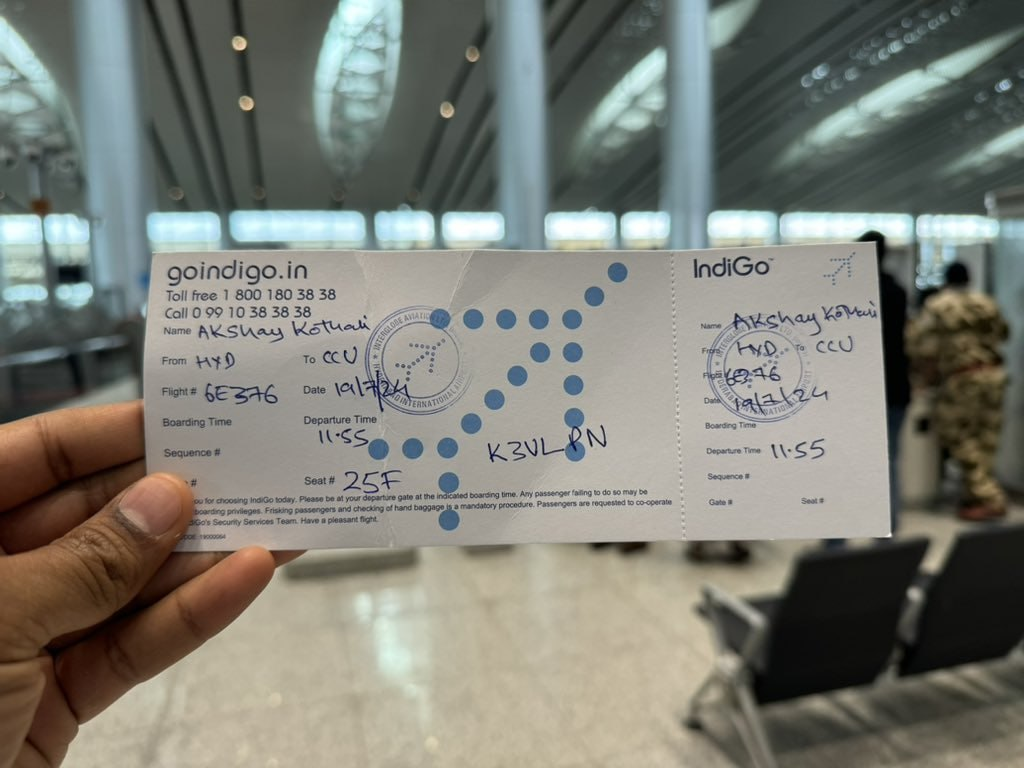
In response to the outage, airlines and airports implemented various measures to mitigate the impact on their operations. A spokesperson from Bangalore International Airport Limited (BIAL) stated, “A global outage with the Navitaire Departure Control System (DCS) has been affecting operations of some airlines across their network, including BLR Airport since 10:40 IST on July 19, 2024. Indigo, Akasa, and SpiceJet in T1 and Air India Express in T2 are among the impacted airlines. The Common Use Terminal Equipment (CUTE) and Common Use Self Service (CUSS) systems are also experiencing disruptions. In response to this situation, Indigo, Air India Express, SpiceJet, and Akasa have taken proactive measures by initiating manual check-ins to ensure minimal disruption to passengers and flight schedules.”
The Microsoft outage extended beyond aviation, affecting various sectors such as the stock market, banking operations, and retail. Millions of individual users globally encountered the dreaded Blue Screen of Death on their Windows devices, leading to unexpected computer shutdowns or restarts.
Microsoft acknowledged the issues with its Azure services and Microsoft 365 apps, stating, “Our services are still seeing continuous improvements while we continue to take mitigation actions.” The company is investigating the root cause of the disruptions, which are affecting various essential services.
The impacted Microsoft services included PowerBI, Microsoft Fabric, Microsoft Teams, Microsoft 365 admin center, Microsoft Purview, and Viva Engage, with users experiencing everything from read-only modes to delays in processing events.